







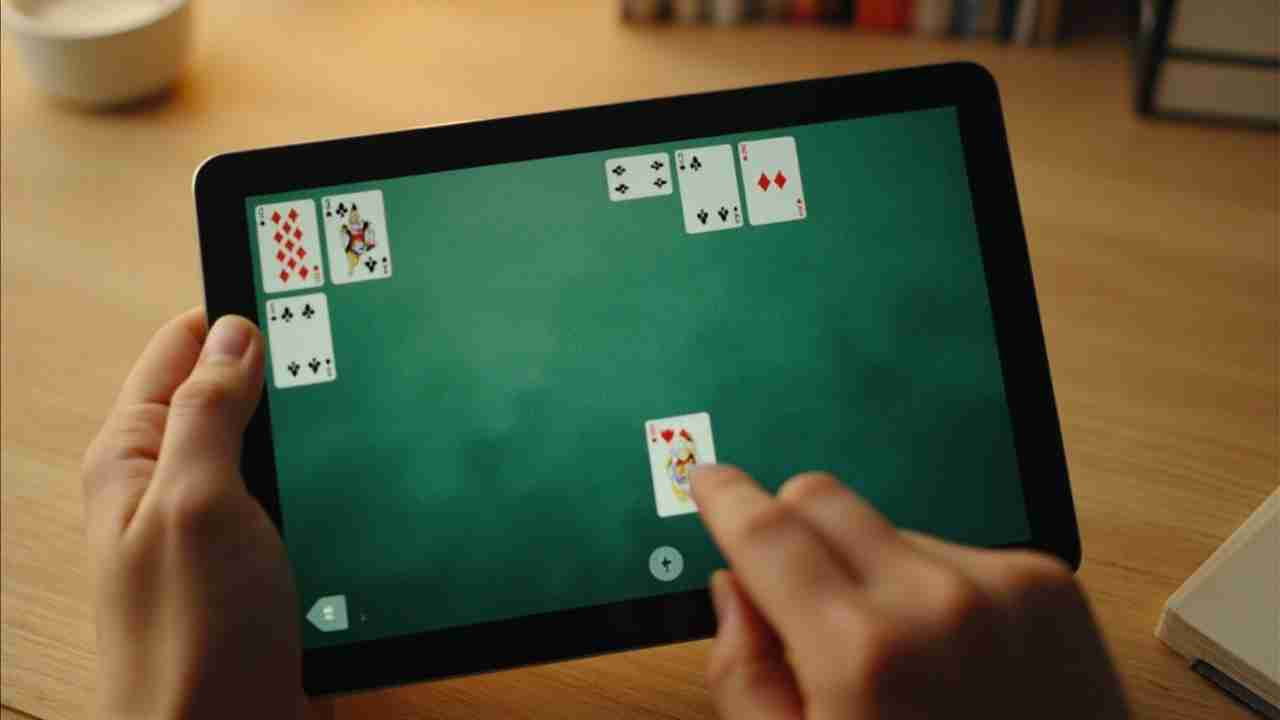
How to Play FreeCell Solitaire: Beginner's Guide-Blog
FreeCell Solitaire is a fun and thoughtful card game for one player. It uses a standard 52-card deck. Unlike many solitaire games, you can see every card from the start. That makes FreeCell a game of planning, not luck. This guide shows you how to play FreeCell Solitaire step by step. You will learn the freecell solitaire rules for beginners, the setup, and simple tips to win. For a quick reference later, save our FreeCell Solitaire guide.
What Is FreeCell Solitaire and Why Is It Different?
FreeCell Solitaire is a single-player card game. The goal is to move all 52 cards to four foundation piles. The foundations build up by suit from Ace to King. What makes FreeCell different? All cards are face up in the tableau. There is no stockpile to draw from. You can see every card and plan your moves. That does not mean the game is easy. One bad move can block a column or fill your free cells. But most FreeCell deals can be won with careful play. That is why so many players love it.
Game Setup: Tableau, Free Cells, and Foundations Explained
FreeCell Solitaire setup explained: the game has three main areas. The tableau is the main play area. The free cells are temporary storage. The foundations are where you build your winning piles. Here is a quick guide.
| Area | What It Is | What You Do |
|---|---|---|
| Tableau | Eight columns of cards. The first four columns have 7 cards. The last four have 6 cards. All cards are face up. | Build down by alternating colors. Move cards between columns. |
| Free Cells | Four empty spots at the top left. | Park one card in each cell. Use them to free up cards and columns. |
| Foundations | Four empty piles at the top right. | Build up by suit from Ace to King. |
Important: Do not fill all four free cells unless you have a clear plan. Empty free cells give you room to move cards and sequences.
Step-by-Step FreeCell Rules for Beginners
These freecell card game instructions are easy to follow. Start with step one and work through the list.
Deal the cards
Shuffle a standard 52-card deck. Lay out eight columns. Put 7 cards in the first four columns. Put 6 cards in the last four columns. Turn every card face up. Leave the four free cells and four foundations empty.
Move Aces to the foundations
When you find an Ace, move it to a foundation pile. Then build that foundation up by suit: Ace, 2, 3, and so on up to King.
Build the tableau down by color
Place a card on another card if it is one rank lower and the opposite color. For example, a red 6 goes on a black 7. A black 5 goes on a red 6. This is called alternating colors.
Use free cells to park cards
Click or tap a card and move it to an empty free cell. Each free cell holds only one card. Use free cells to reach buried cards or open a column.
Move valid sequences
You can move a group of cards together if they are in perfect order. The cards must go down in rank and alternate colors. For example, a red 8, black 7, and red 6 can move as a group.
Open empty columns
If a tableau column becomes empty, you can move any card or valid sequence into it. Empty columns are powerful. Use them to store long sequences and make room.
Win the game
Keep building the foundations by suit from Ace to King. When all four Kings are on the foundations, you win. The game is over when all 52 cards are in the foundation piles.
Moving Cards: Alternating Colors, Sequences, and Empty Columns
Moving cards is the heart of FreeCell. Always build down in rank and alternate colors on the tableau. Red cards go on black cards. Black cards go on red cards. The rank must be one lower. For example, the 9 of hearts can go on the 10 of spades. You can also move a sequence of cards if the sequence is already in order. The number of cards you can move depends on empty free cells and empty columns. More empty space means you can move more cards. Empty columns are extra special. Any card can go into an empty column. But do not fill an empty column without a reason. Empty columns help you move long sequences and free up stuck cards.
5 Common Beginner Mistakes to Avoid
Mistakes happen fast in FreeCell. Avoid these common ones:
- Filling every free cell. When all four free cells are full, you have very little room to move. Try to keep at least one free cell open.
- Ignoring empty columns. An empty column is not just storage. It is a tool for moving long sequences. Use it with a plan.
- Moving cards too fast. Every move changes the board. Pause and check what you will need next.
- Forgetting the color rule. A red card cannot go on another red card. Always check the rank and color before you move.
- Not planning ahead. FreeCell is a puzzle. Look for the cards you need to free next. Then work backward.
Simple Tips to Win Your First Game
Use these tips to improve your FreeCell game.
- Move Aces and 2s to the foundations early. They are usually safe and helpful.
- Keep one or two free cells empty if you can. This gives you more move options.
- Build long sequences on the tableau. Long sequences are easier to move later.
- Use empty columns for big moves, not quick fixes.
- In digital games, use the undo button to test a move. Then undo if it blocks you.
- Scan the whole board before you move. Look for buried Aces and low cards.
Pro Tip: Count your free cells and empty columns before you move a sequence. A simple plan can turn a stuck board into a win.
FreeCell Rules FAQ
Can I move any card to an empty column in FreeCell?
Yes. Any single card can go into an empty tableau column. But think before you do. Empty columns help you move long sequences, so use them with a plan.
Do I have to move an Ace to the foundation right away?
No. You can wait. But moving Aces and 2s early is usually safe and helpful. They do not block your tableau moves.
What happens if I get stuck in FreeCell?
If no legal moves are left, the game is over. In digital games, you can often undo a move or start a new deal. Keep free cells open and plan ahead to avoid getting stuck.