






Airplane Jigsaw Puzzles Tips and Strategy-Airplane Jigsaw Puzzles - Strap In for Sky-High Fun!
Similar Games
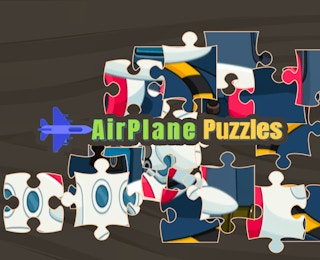

New players can make aircraft puzzles easier by using visual cues that are common in jigsaw games. These tips are based on standard puzzle-solving methods and the aviation theme described for the game.
- Start with edge pieces: Look for straight-sided pieces and build the border first.
- Group similar colors: Aviation images often include sky blue, metallic gray, white fuselage tones, red accents, or dark backgrounds.
- Find recognizable parts: Wings, tails, propellers, windows, landing gear, and markings can serve as anchors.
- Work in small zones: Complete a local cluster before trying to connect distant areas.
- Compare notches and tabs: Piece shape is often as important as color when the image has large plain regions.
- Pause when stuck: A short break can reduce eye fatigue and make subtle color differences easier to notice.
These suggestions do not assume unconfirmed helpers such as hints, auto-snap ranges, or difficulty settings. They focus on transferable jigsaw techniques that suit airplane-themed artwork.
A stronger strategy is to treat each aviation puzzle as a visual map. Aircraft images often repeat structural shapes—fuselage curves, wing planes, tail fins, engine nacelles, and background gradients—which can be used to create an efficient assembly order.
Systematic Approach
- Scan the whole image: Identify major regions such as sky, ground, body, wings, tail, and details.
- Build the frame: Assemble the border to create a stable reference boundary.
- Solve high-contrast details first: Cockpits, stripes, propellers, logos, and windows are usually easier to place than open sky or plain metal panels.
- Create sub-assemblies: Join small clusters, then attach those clusters to neighboring sections.
- Use constrained spaces last: Leave low-detail areas until surrounding pieces narrow down the possible shapes.
- Check continuity: Verify that lines, shading, and aircraft contours flow naturally across each connection.
This guide is intended for players who want to improve efficiency on multi-piece aircraft puzzles. It does not rely on unconfirmed mechanics such as timed bonuses, combo scoring, or puzzle-specific hints.