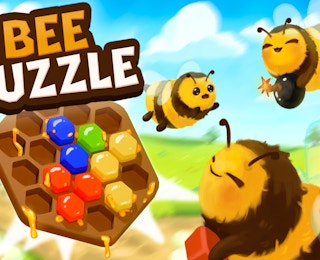
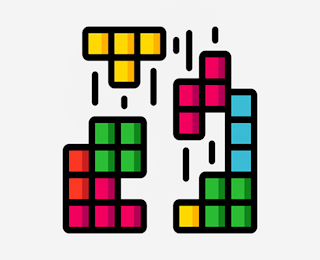
Bee Puzzle strategy begins with a shift in perspective: the best move is not always the one that clears the most honeycombs. Because the game uses a honeycomb grid and Tetris-inspired matching, every move changes the shape of the board. Strong play balances clearing, space, and future match potential.
- Value open space. Empty cells are options for later pieces.
- Build matches with multiple exits. Prefer groups that can be cleared from more than one direction.
- Keep colors balanced. If one color is scattered, avoid making it harder to reach.
- Plan two moves ahead. Ask what the board will look like after the clear.
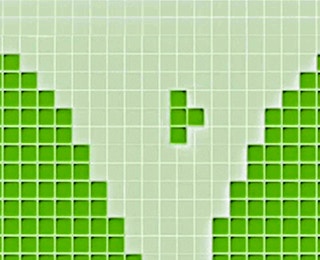
Treat the honeycomb grid as a resource map. Crowded edges, narrow passages, and isolated cells are risk areas. When the board is open, you can afford to set up larger matches. When it is tight, prioritize clears that restore working space.
Keep the center and open lanes available for future pieces. Avoid burying a color behind a wall of other honeycombs unless the clear is worth it. If two moves score similarly, choose the one that leaves more legal placements and more color options. This is the core of board management in a Tetris-inspired matching game.
The game description confirms unique power-up mechanics, but it does not publish specific power-up names or a complete effect list. Because of that, the safest strategy is to learn each power-up from its in-game description and treat it as a limited resource.
Use a power-up when it solves a real board problem: the grid is nearly blocked, a required match is hard to reach, or a move would otherwise waste several turns. Avoid using one at the start of a level simply because it is available. If a power-up creates space, save it for the moment when space is most valuable.
Risk management is about recognizing when the board is close to failure. Count the open cells around the pieces you plan to use. If a move would leave only one or two safe placements, look for a clearing move first. A smaller match that keeps the board flexible can be better than a large match that leaves you trapped.
When a level becomes difficult, switch from opportunistic matching to survival matching: clear the most crowded area, avoid unnecessary color changes, and use power-ups before the board locks. This conservative approach helps you reach the next stage of a level and preserves options for recovery.