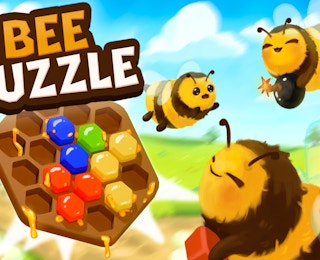
New players often focus on the biggest immediate match. In Bee Puzzle, it is usually better to focus on the board after the match. Ask whether a move opens space, creates a new color group, or traps you in a corner.
- Play slowly during early levels and read the objective.
- Look for matches near crowded edges.
- Keep one or two open areas for future pieces.
- Use power-ups when they solve a real problem, not just because they are available.
- After each clear, rescan the board instead of rushing the next move.
- Read the objective before moving.
- Name the match you are trying to create.
- Check whether the move opens space or closes it.
- Look for a second match before choosing the first.
- Decide whether a power-up is needed now or can wait.
- After a clear, rescan the whole board.
Use this checklist for a few levels until it becomes automatic. It is especially useful when a level feels unfair or when you are losing track of the board.
Set a simple practice goal for each session: for example, clear edge clusters first, or avoid using power-ups until the board is half full. Do not try to change every habit at once. Play a few levels with one focus, then review what caused board congestion.
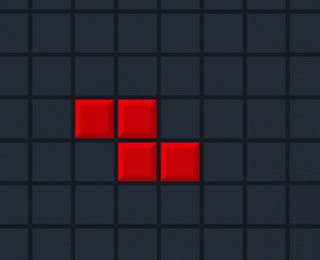
If a level goes badly, note the move where space became tight. In a Tetris-inspired matching game, the losing move is often the one that closed the last useful gap rather than the one that failed to score. Use that observation in the next attempt.