










Brr Brr Patapim Block Puzzle Tips & Strategy-Brr Brr Patapim Block Puzzle
Similar Games
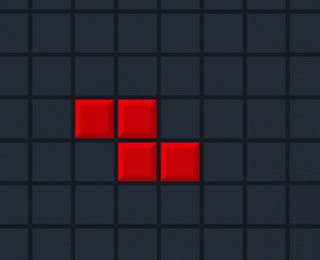
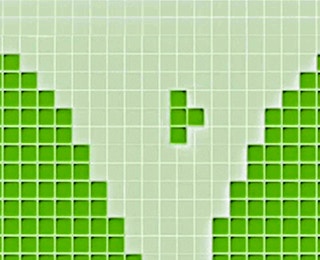


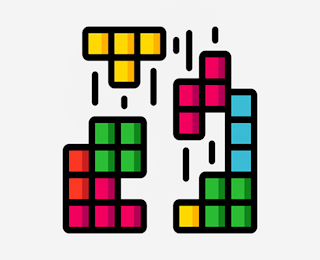
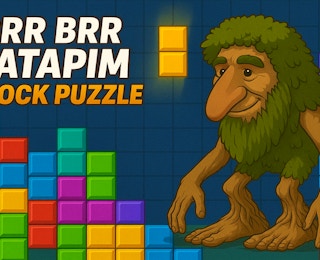
Effective board management is the foundation of success in Brr Brr Patapim Block Puzzle. The goal is to keep the grid as flat and open as possible. Avoid stacking blocks too high in one area, as this limits your placement options. Try to distribute blocks evenly across the board.
Always scan for potential holes—empty spaces surrounded by blocks. Holes are dangerous because they can only be filled by specific pieces, which may not appear when you need them. Prevent holes by placing pieces in ways that leave no gaps. If you must create a gap, try to keep it accessible from the top or side.
Think of the board as a landscape. A flat surface gives you the most flexibility. When you place a piece, consider how it affects the overall shape of the board. Aim to maintain a smooth, even surface.
Piece placement is a skill that improves with practice. Before placing a piece, look at the available space and imagine where it will fit best. Don't rush; take a moment to consider the consequences of each move.
Place larger pieces first when the board is relatively empty. This helps you avoid situations where a large piece doesn't fit. Use smaller pieces to fill gaps and smooth out the surface. If the game shows you the next pieces in the queue, use that information to plan ahead.
Try to place pieces in a way that sets up future row clears. For example, if you have a vertical piece, you might place it to create a column that will help complete a row later. Always be thinking one or two moves ahead.
Clearing multiple rows at once is the most efficient way to progress. It clears more space and counts as multiple rows toward your beat unlock progress. To achieve multi-row clears, you need to set up your board so that a single piece completes several rows simultaneously.
Focus on building rows that are almost complete, leaving one or two gaps. Then, when the right piece comes, you can fill those gaps and clear multiple rows. This requires patience and planning. Don't clear a single row if you can wait and clear two or three rows with the same piece.
However, don't be too greedy. If the board is getting crowded, it's better to clear a single row than risk a game over. Balance is key.
The game ends when you can't place a piece. To avoid this, always keep an escape route. Never fill the board completely; leave some empty space at the top. Monitor the height of your stacks. If one column gets too high, focus on clearing rows in that area.
Pay attention to the shapes of the pieces you're placing. If you see that a large piece is coming, make sure there's a suitable spot for it. If not, clear some space immediately. Sometimes, sacrificing a small piece by placing it in a less-than-ideal spot is better than risking a game over.
Practice makes perfect. The more you play, the better you'll become at predicting danger and avoiding it.
To unlock beats faster, you need to clear rows efficiently. The faster you clear rows, the quicker you'll reach the 100-row milestone. Focus on multi-row clears and keep the board under control.
Avoid unnecessary moves. Every piece you place should serve a purpose—either clearing a row or setting up a future clear. If you place a piece randomly, you might create holes and hinder your progress.
Play consistently. The more you play, the more rows you'll clear. Since the beat unlock likely requires cumulative rows or a single run, playing regularly will help you reach the goal sooner.
For experienced players, advanced strategy involves thinking several moves ahead and manipulating the board to create perfect clears. A perfect clear (clearing the entire board) might give bonus points or progress, though this is not confirmed.
Learn the shapes of all pieces and how they can fit together. Practice creating combos where you clear multiple rows in consecutive moves. This requires a deep understanding of the board and the piece queue.
Study your own gameplay. After a game over, review what went wrong. Did you create holes? Did you place pieces too hastily? Identifying your mistakes is the fastest way to improve.