






Benefits of Playing Solitaire for Relaxation-Classic Solitaire
Similar Games

61762545.jpg)

60548019.jpg)
60802768.jpg)


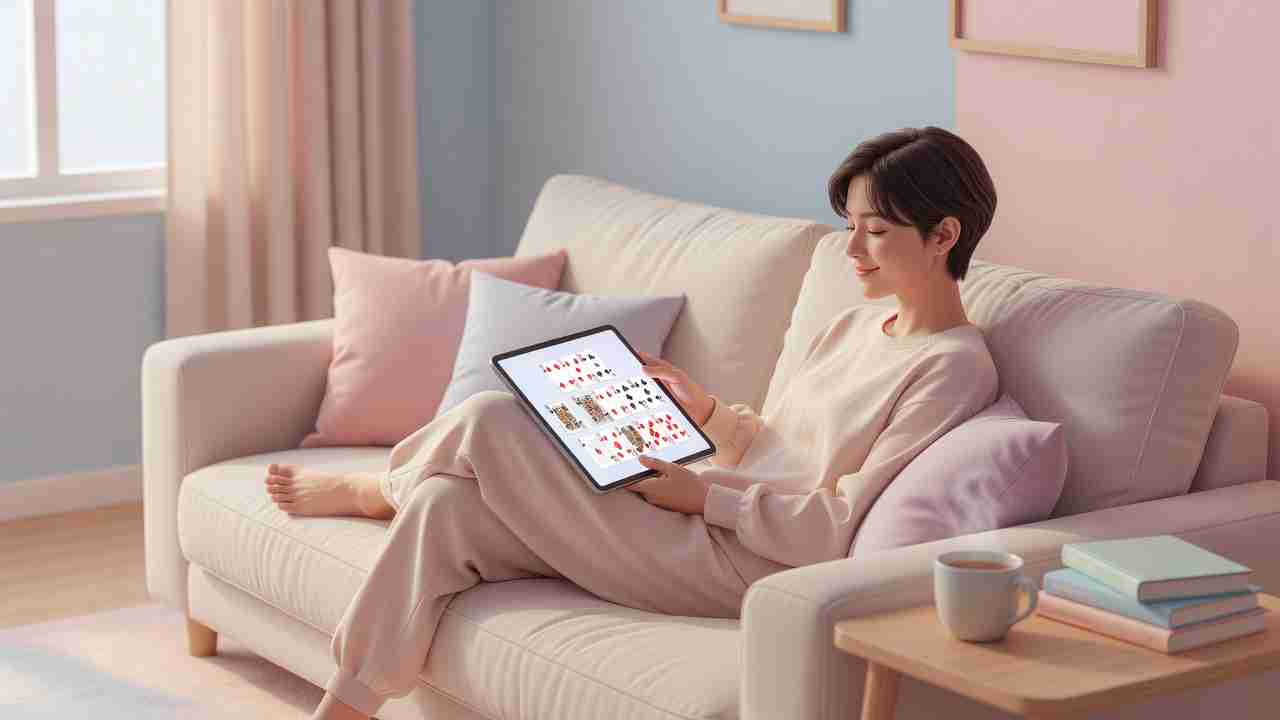
Classic Solitaire is a simple card game with a quietly powerful calm side. You sort cards into order. You move them in slow, clear steps. There is no crowd, no clock, and no pressure to win fast. That is why many players rank it among the most calming card games ever made.
This guide walks through the real benefits of solitaire. We cover solitaire relaxation, focus, patience, and light brain work. We also show how to turn one quiet game into a healthy daily habit. If you like to learn by doing, open Classic Solitaire and follow along as you read.
Benefits of Playing Solitaire
Solitaire asks for just enough attention. It keeps your hands busy and your mind steady, without overloading either one. That balance is the source of most solitaire wellness gains.
- Calm: Slow, repeat moves give your nervous system a rest.
- Focus: One clear board holds your attention in one place.
- Patience: Stalled games teach you to wait and restart with grace.
- Light brain work: Sorting and sequencing keep the mind gently active.
- Clean endings: Each game has a start and a stop, which frames your day.
You do not need long sessions for these benefits. Ten quiet minutes is plenty. The sections below break each benefit down and show you how to get it.
A Calming Card Game Routine
Calm comes from routine, not from the cards alone. A repeat routine tells your brain it is time to slow down. Keep the setup the same each day: same seat, same light, same game mode.
Solitaire feels calming for a few simple reasons:
- The moves repeat: pick a card, place it, flip the next one.
- The goal is clear: build each suit from ace to king.
- You play alone: no chat, no rivals, no noise.
- Losses are soft: you can always shuffle and deal again.
Use this six-step routine to start a relaxing session:
Pro Tip: Draw-one mode turns up a single card each time. It is slower and gentler than draw-three. Choose it when you play for solitaire relaxation instead of speed.
Focus and Patience Benefits
Solitaire is a gentle trainer for attention. Every move asks one small question: does this card fit? You answer it again and again. That repeat check builds steady, low-stress focus.
Patience grows in the same quiet way. Some games stall. You must wait, undo a move, or start over. You learn to stay even when progress slows. That skill travels well into work, study, and family life.
What focus and patience practice looks like
- Scanning: You check every pile before each move.
- Planning: You think one or two moves ahead.
- Waiting: You hold a card until the right spot opens.
- Restarting: You accept a lost game and deal again without fuss.
Keep sessions short so focus stays fresh. A tired mind forces bad moves. A rested mind reads the board clearly.
Solitaire as a Screen Break
Not all screen time is equal. Endless scrolling feeds you new noise every second. Solitaire gives you one quiet task with a clear end. For many people, that makes it the better break.
| Break activity | Calm level | Focus type | Best length |
|---|---|---|---|
| Classic Solitaire | High | Light and steady | 10 to 15 minutes |
| Social media scroll | Low | Scattered | Hard to stop |
| News reading | Medium | Medium | 5 to 10 minutes |
| Video chat | Medium | High | 20 to 30 minutes |
| Background TV | Medium | Very low | Easy to overdo |
Place a solitaire break between deep work blocks. One game marks a clean pause. Then stand up, stretch, and look across the room before you return to work.
Pro Tip: Pair each break with the 20-20-20 rule. Every 20 minutes, look at something 20 feet away for 20 seconds. Your eyes rest while your mind resets.
Light Brain Engagement
Solitaire is a solitaire brain game in the gentle sense. It wakes up sorting, memory, and pattern skills without heavy strain. Think of it as a warm walk for your mind, not a sprint.
- Sequencing: You stack cards from king down to ace.
- Color and suit sorting: You place red on black, then build suit by suit.
- Short-term memory: You track which hidden cards are still buried.
- Problem solving: You free blocked piles one careful step at a time.
Light engagement matters for wellness. Heavy puzzles can stress a tired player. Too little activity lets the mind drift to worries. Solitaire sits in the sweet spot between the two.
A calm mind with one small job often worries less than a mind with nothing at all to do.
Making Solitaire a Daily Habit
Habits stick when they attach to things you already do. Tie your game to a daily cue. Keep it short so it stays light. Keep it plain so it stays calm.
- Choose a cue: after morning coffee, after lunch, or before bed.
- Set a limit: one or two games, or about ten minutes.
- Keep the setup the same: same mode, same seat, sound off.
- Notice the feel: rate your calm from 1 to 5 before and after.
- Adjust gently: if a session feels rushed, make the next one shorter.
Track a streak only if it helps. A streak should feel like a gift, not a chore. Skip a day without guilt when life gets loud.
Pro Tip: End each session just before you feel fully done. Leaving a little want keeps tomorrow's game inviting and makes the habit easy to restart.
Common Questions About Solitaire Wellness
Does solitaire really help with stress?
For many players, yes. The slow repeat moves act like a soft rhythm, and the clear goal gives worried thoughts a pause. It works best as a short, planned break rather than a long escape.
How long should a calming session be?
Ten to fifteen minutes fits most people. That is about one or two games. Longer sessions can strain your eyes and neck, so set a gentle stop point before you deal.
Is solitaire a good brain game for older adults?
It is a friendly choice. The rules are familiar, the pace is self-set, and the sorting task gives memory and attention light practice. New or returning players can start with draw-one mode for an easier round.
Solitaire will not fix a hard day. But it can give you ten quiet minutes, one clear task, and a soft place to land. Deal a game of Classic Solitaire today, and let the cards set the pace.