







Dogat Drawing Defense Tips-Dogat Drawing Defense
Similar Games
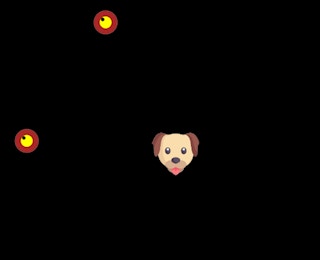
These tips are aimed at players who are new to Dogat Drawing Defense and want to clear early puzzles with less frustration. The focus is on building good habits before chasing advanced solutions.
- Start with the dog immediate space. A compact shield around the pup is often easier to evaluate than a large drawing spread across the screen.
- Block the closest bee first. If one threat is nearer than the others, give it priority before worrying about distant approaches.
- Prefer clear lines over decorative sketches. The defense needs to be readable. If you cannot tell where the barrier ends, the bees may expose the gap too.
- Do not overdraw in the first attempt. A simple test sketch helps reveal the puzzle pressure points. Add material only where the failure occurs.
- Watch the edges of shapes. Many misses happen at endpoints, corners, or thin sections rather than in the middle of a barrier.
- Use each retry intentionally. Before drawing again, identify one specific change: extend a line, close a gap, or shift the shield toward the main approach.
- Keep the focus on the protected center. Because the dog is the focal point, avoid chasing every moving threat with your attention; return to the area that must remain safe.
- Accept trial and error. Drawing defense puzzles are iterative. A failed attempt is part of the solution process, not a sign that the puzzle is unfair.
Once these basics feel natural, the strategy guide can help with more deliberate puzzle planning. The common mistakes list below can also help you avoid repeated failures.
Even simple drawing defenses can fail for predictable reasons. These common mistakes are useful for players who feel stuck despite making an effort.
- Defending only the first bee. A sketch that stops the nearest threat may leave a second route open. Always check whether other bees can reach the dog from a different angle.
- Leaving endpoint gaps. Barriers often fail at their ends rather than in their centers. If a line is too short, a bee can slip around it.
- Overcomplicating the first draft. Elaborate sketches can hide weak points. A simple shape is easier to test and correct.
- Redrawing everything after a small failure. If most of the defense worked, preserve the useful structure and patch the leak instead of starting over.
- Ignoring the dog position. The pup is the anchor of the puzzle. Defensive shapes should be evaluated by how well they protect that center, not by how impressive they look.
- Chasing movement instead of planning coverage. Reactive drawing often produces uneven barriers. A brief pause to map the approach paths usually saves attempts.
- Using thin or broken lines. Gaps, overlaps, and faint segments can create unpredictable weak spots. Continuous coverage is easier to trust.
- Treating one solution as universal. With 50+ increasingly clever puzzles, a shape that works early may fail later. Stay willing to adapt.
Avoiding these mistakes does not require advanced skill. It mainly requires slower observation and targeted correction. For positive habits, return to the beginner tips above, or move on to the strategy guide.