










Klondike Solitaire Big Strategy and Tips-Klondike Solitaire Big
Similar Games

61762545.jpg)

60548019.jpg)
60802768.jpg)
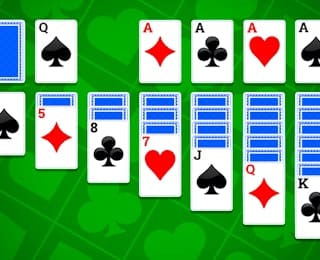
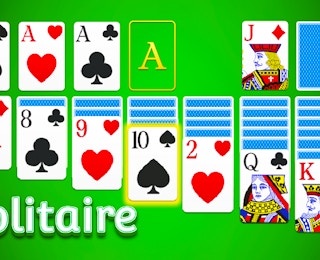
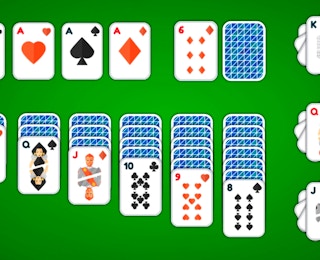

Advanced Strategy for Klondike Solitaire Big
Winning Klondike Solitaire Big consistently requires moving beyond basic rule compliance into advanced strategic thinking. The game is highly dependent on initial card distribution, but your choices dictate whether a deal is winnable. Here is a comprehensive strategy guide to maximize your success.
Tableau Management
- Reveal Face-Down Cards: Your primary objective should always be to uncover face-down cards. Face-up cards offer immediate options, but face-down cards represent hidden potential. Prioritize moves that flip a face-down card to a face-up card, even if it means making a less-than-optimal sequence move.
- Keep Kings Free: Kings are the most restrictive cards in the game; they can only be placed in empty tableau columns. Always try to maintain at least one empty column to serve as a "warehouse" for moving large, built-up sequences.
- Build Complete Sequences: Whenever possible, build your tableau columns in complete, alternating-color descending sequences. This allows you to move multiple cards at once, which is crucial for clearing space and accessing buried cards.
Card Value Priorities
Not all cards are created equal in solitaire strategy. Understanding card value priorities can dramatically improve your win rate:
- Aces: Move Aces to the foundation immediately. They are the foundation of all four suits and getting them out of the way opens up massive tactical flexibility.
- Queens and Jacks: High face cards are difficult to move because they require specific lower cards to be placed on top of them. Try to move them to the foundation as soon as possible, or build sequences beneath them.
- Tens and Nines: These are the most versatile cards. They can be placed on Jacks and Queens, and they can have lower cards placed on them. Keep them in active play to build your tableau.
Stock and Foundation Optimization
- Conserve the Stock Pile: Draw from the stock pile only when you have exhausted all valid moves in the tableau. Drawing cards prematurely limits your options and can bury valuable cards.
- Plan Stock Draws: When you must draw from the stock, evaluate the top card of the waste pile. If it can be moved to the tableau or foundation, move it. If not, consider if drawing another card might reveal a better option.
- Recycle Wisely: When the stock pile is empty, you can usually recycle the waste pile. Before doing so, ensure that the cards in the waste pile do not contain immediate moves that you missed. Recycling too early can trap cards in an endless loop.
By internalizing these strategic principles and utilizing the clear, large interface of Klondike Solitaire Big to plan your moves, you will significantly enhance your ability to solve complex puzzles and achieve a higher win rate.
Beginner Tips for Klondike Solitaire Big
If you are new to solitaire or just starting with Klondike Solitaire Big, these fundamental tips will help you build a strong foundation for success:
- Learn the Color Rule: Remember that cards must alternate in color. Red cards (Hearts and Diamonds) can only go on Black cards (Spades and Clubs), and vice versa. This is the most common rule beginners forget.
- Start with the Tableau: Focus on organizing the seven tableau columns before worrying about the stock pile. A well-organized tableau makes drawing from the stock much easier and prevents you from making hasty decisions.
- Use Empty Columns Wisely: An empty column is a powerful tool. Use it to move a long sequence of cards, but be careful not to leave it empty if you don't have a King to place there. An empty column without a King is a wasted opportunity.
- Take Your Time: Since Klondike Solitaire Big features large, easy-to-see cards, take advantage of the clear visual layout to plan your moves carefully. Rushing often leads to dead ends and a lost game.
Practice makes perfect. As you play more games, you will naturally develop an intuition for which moves are most advantageous and how to read the board effectively.