Advanced Strategies for Solving Bunny Puzzles
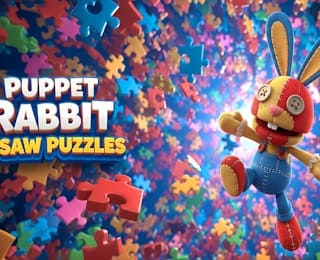
As you progress through the 50+ levels of Puppet Rabbit Jigsaw Puzzles, the boards will become larger and the puzzles more complex. Relying on random clicking will not work for the higher levels. Here is a comprehensive strategy guide to help you solve puzzles efficiently and minimize your move count.
Row-by-Row Approach
The most effective method for solving sliding puzzles is to solve them row by row, starting from the top. Do not try to solve the entire puzzle at once. Focus on getting the top row into its correct positions first. Once the top row is complete, lock it in place (by not moving those pieces again) and focus on the second row, and so on.
Solving the Corners First
Within each row or section, always prioritize the corners. The top-left corner piece is the most constrained because it has fewer adjacent empty spaces to maneuver into. Get the corner pieces into their correct positions before filling in the edges and the center of the row.
Managing the Last Row
The last row is typically the most difficult part of any sliding puzzle. When you reach the final row, you will often find that the pieces are almost in order, but the last two or three are swapped. You will need to temporarily move pieces from the row above to create a temporary holding area, rotate the final pieces into their correct order, and then slide them back into place without disturbing the rows above.
Pattern Recognition
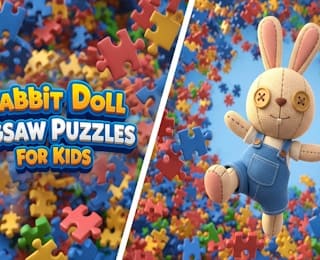
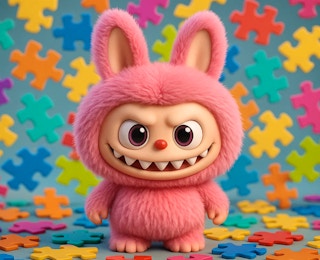
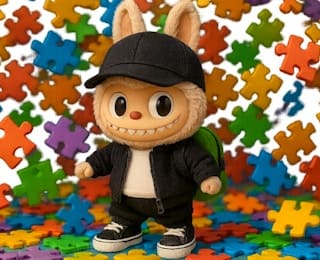
Because the images feature adorable bunnies and puppets, you can use the visual elements to guide your strategy. Look for distinct features like the rabbit's ears, eyes, or nose. These high-contrast areas are easier to identify when scrambled, allowing you to prioritize placing these specific pieces early in the solving process.
Space Management
Always be aware of the empty space. A common mistake is using up all the empty space to move a single piece, leaving no room to maneuver the rest of the board. Keep the empty space in the center or along the edge where you are actively working, rather than trapping it in a corner.
Understanding Puzzle Parity
In advanced sliding puzzles, understanding parity is crucial. A scrambled board might be mathematically unsolvable if the initial shuffle resulted in an odd number of inversions without the empty space being in the correct row parity. If you find yourself stuck on a level and cannot make progress, the puzzle might be in an unsolvable state. In such cases, restart the level from the beginning to ensure a valid shuffle.
Essential Tips for New Players
If you are new to Puppet Rabbit Jigsaw Puzzles or sliding puzzles in general, these beginner tips will help you avoid frustration and enjoy the 50+ levels of mind-teasing fun.
Start Slow and Build Confidence
Do not jump straight into the hardest levels. Start with Level 1 and take your time. Familiarize yourself with how the pieces slide and how the empty space moves. As you complete the first few levels, your spatial reasoning will naturally improve.
Use the Undo Button Wisely
Most sliding puzzle games include an undo feature. Use it to backtrack when you realize you have made a mistake or trapped a piece. However, try to use your brain before hitting undo to learn from your errors and avoid repeating the same mistakes.
Take Breaks When Stuck
If you find yourself stuck on a specific puzzle for more than five minutes, take a short break. Sometimes, stepping away from the screen allows your brain to reset. When you return, you will often see the solution or a better sequence of moves that you missed previously.
Focus on One Section at a Time
Do not try to solve the whole board simultaneously. Pick one corner or one edge and focus entirely on getting that section right. Once a section is solved, ignore it and move to the next. This reduces cognitive overload and prevents you from accidentally scrambling previously solved areas.
Visualize the Final Image
Keep an eye on the completed preview image (if available) or try to remember the general layout of the bunny. Knowing where the ears or the face should go will help you prioritize which pieces to move first.
Avoid These Common Puzzle Solving Mistakes
Even experienced players can fall into traps when solving complex sliding puzzles. Here are the most common mistakes players make in Puppet Rabbit Jigsaw Puzzles and how to avoid them.
Mistake 1: Solving Pieces in the Wrong Order
Many beginners try to place pieces wherever they see them, regardless of their final position. This often leads to a situation where the board is almost complete, but the last few pieces cannot be moved into place because the empty space is blocked. Always solve from the top-left corner down and across.
Mistake 2: Ignoring the Empty Space
Focusing too much on the puzzle pieces and not enough on the empty space is a frequent error. The empty space is the tool you use to move the pieces. If you let the empty space get trapped in a corner, you will be unable to make any progress. Always plan your moves to keep the empty space accessible to the pieces you need to move.
Mistake 3: Forgetting to Lock Solved Rows
Once you have solved the top row, players often accidentally move those pieces again while trying to solve the row below. This resets your progress and wastes moves. Consciously avoid clicking on pieces that are already in their correct final positions.
Mistake 4: Panic Clicking
When stuck, it is tempting to rapidly click on random pieces. This is highly inefficient and will likely scramble the board further. If you are stuck, stop clicking. Analyze the board, identify the next logical move, and execute it deliberately.
Mistake 5: Not Using the Undo Feature
Some players avoid the undo button to save time or out of a false sense of pride. However, using undo to correct a bad sequence of moves is a core part of the strategy. Do not be afraid to backtrack; it is often faster to undo a few moves and find a better path than to scramble the entire board.