






How to Play Puzzle Block Plunge-Puzzle Block Plunge
Similar Games
How to Play Puzzle Block Plunge
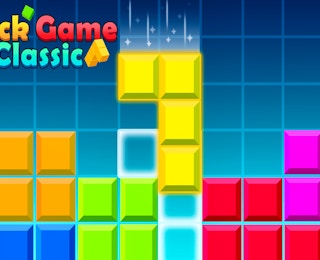
Puzzle Block Plunge follows the classic falling-block puzzle structure. A piece appears above the playfield and moves downward. Your task is to place it so that the resulting stack stays organized and creates opportunities to clear horizontal lines.
Basic Game Loop
- Receive a block: A new shape enters the board.
- Choose placement: Move it left or right and rotate it if the game provides that action.
- Lock the block: Once it lands, it becomes part of the stack.
- Clear lines: A completed horizontal row is removed, giving you more room.
- Continue: The next block arrives, and your run continues as long as you can keep placing blocks.
The main goal is to keep clearing lines while preventing the pile from becoming impossible to manage. The promoted 500+ line target is a long-run challenge, so consistency matters more than risky, high-reward stacking.
When you first play, focus on learning how the pieces move and how quickly the board changes. Once you can place pieces without hesitation, you can start thinking about longer runs.
Objective and Run Structure
The immediate objective is to keep placing blocks so the board remains playable. Each completed row is removed, which creates space and increases your line count. The description highlights a 500+ line run, so the longer objective is endurance: survive many pieces while maintaining a stable stack.
Because a long run depends on repeated small decisions, it is useful to think in phases. Early placements should establish a flat base. Mid-run placements should preserve flexibility and avoid holes. Late-run decisions should focus on recovery and keeping at least one safe area open.
You do not need to aim for a spectacular setup on every drop. A simple, repeatable approach is more reliable for reaching high line totals.
Controls and Interaction
The exact control scheme may depend on the device and embedded game page, so check the visible buttons or instructions before starting. The important actions to identify are the ones that let you move, turn, and place each block.
| Action | What to look for |
|---|---|
| Move | Buttons, keys, or gestures that shift the falling block left or right. |
| Rotate | A control that turns the piece, if shown in the interface. |
| Faster drop | An optional control that sends the piece downward more quickly, if available. |
| Pause or restart | Interface controls that let you stop the run or start again. |
If you are playing on desktop, keyboard keys or mouse controls may be available. On touch devices, use the visible on-screen controls. Before attempting a long run, make a short test placement to confirm how the piece responds.
Line Clearing Basics
In falling-block games, lines are usually cleared when a horizontal row is completely filled with blocks. While Puzzle Block Plunge may present its own pacing, the same core principle applies: remove rows to keep the board from filling.
- Complete rows: A row with no empty cells clears.
- Keep rows flat: A level surface makes it easier to place future pieces.
- Avoid buried holes: Empty spaces below blocks are difficult to fill later.
- Clear early: Small, steady clears are often safer than waiting for a perfect setup.
If you want to reach a high line count, treat each placement as part of the next clear, not just a way to survive the current piece. Try to leave at least one row close to completion so the next suitable piece can trigger a clear.
When the stack becomes tall, prioritize clearing any available line instead of preserving a theoretical better setup. Space is the most valuable resource during long runs.
First Session Checklist
- Learn how the block moves before worrying about speed.
- Test rotation and placement in the first few drops.
- Keep the stack low and even.
- Create at least one simple line-clearing opportunity.
- Avoid building tall columns on one side.
- Notice which pieces are hardest to place.
- Focus on survival before pursuing the 500-line target.
This checklist helps you understand the board behavior without pressure. Once you can reliably clear a few lines, you can practice longer runs. If a session ends quickly, identify the first moment the stack became awkward and try to avoid that shape or placement in the next run.