






How to Play Rabbit Doll Jigsaw Puzzles for Kids-Rabbit Doll Jigsaw Puzzles for Kids
Similar Games
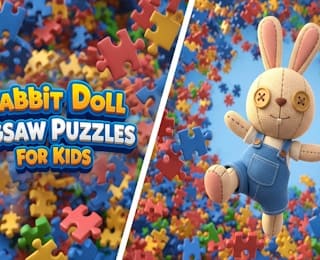
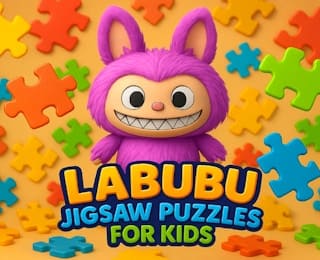
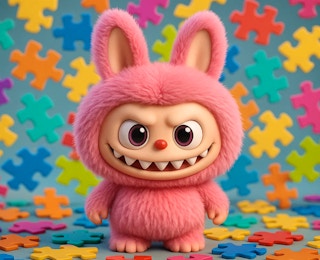
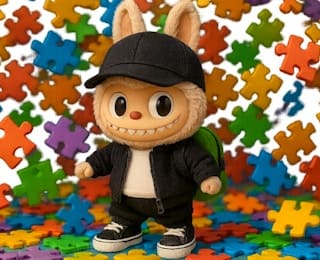
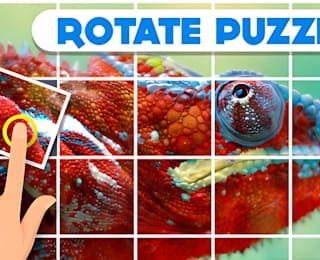
The goal in Rabbit Doll Jigsaw Puzzles for Kids is to rebuild a complete rabbit picture from a set of jigsaw pieces. Each scene presents a different adorable image, and the puzzle is solved when every piece is placed in its correct location.
Understand the objective
Before moving pieces, look at the overall puzzle area and identify what the finished scene should represent. The rabbit theme provides clear visual anchors such as ears, faces, clothing, backgrounds, and decorative objects. Recognizing these anchors makes it easier to decide where a piece may belong.
Study piece shapes
Jigsaw pieces are defined by both picture detail and outline. Check whether a piece has a straight side, a corner, protruding tabs, or recessed blanks. Shape clues are often more reliable than color alone, especially when several pieces share similar tones.
Begin with distinctive pieces
Start with pieces that contain obvious features, such as part of the rabbit doll, a bright accessory, or a strong contrast between foreground and background. These pieces are easier to place and can create reference points for surrounding sections.
Build small connected groups
Instead of trying to solve the entire picture at once, connect nearby pieces into small clusters. A completed cluster reveals more edges and patterns, making it simpler to test adjacent pieces. Work outward from a strong anchor until the cluster becomes a recognizable portion of the scene.
Use empty spaces as clues
When the board has several open areas, compare the shape of each gap with the remaining pieces. A gap with a straight border may need an edge piece, while a gap surrounded by placed pieces may need a piece with matching tabs and blanks.
Check color and pattern continuity
After a piece seems to fit by shape, confirm that the artwork continues smoothly. Fur texture, clothing seams, sky gradients, grass tones, and object outlines should align with neighboring pieces. If the picture looks broken, the piece may be shape-compatible but visually incorrect.
Finish the scene systematically
As fewer pieces remain, focus on the largest empty region or the most distinctive leftover piece. Re-check pieces that were set aside earlier, because progress elsewhere can make an old candidate suddenly obvious. The puzzle is complete when the full rabbit illustration appears without missing sections.
Rabbit Doll Jigsaw Puzzles for Kids follows the fundamental logic of a jigsaw puzzle, presented with a child-friendly rabbit theme. The available description emphasizes assembling charming puzzles and boosting logical thinking rather than competition or complex scoring.
Main objective
The player must reconstruct a complete scene by placing all scattered jigsaw pieces into their correct positions. Once the image is fully assembled, the puzzle is considered solved.
Piece identity
Every piece belongs to one specific location in a scene. Correct placement depends on matching the piece outline with adjacent pieces and aligning the printed artwork so the picture appears continuous.
Scene completion
A puzzle is finished when no empty spaces remain and all pieces are placed in the correct arrangement. The game then allows the player to move on to another rabbit-themed picture.
Puzzle library
The description states that the game includes 50+ adorable scenes. This means the rule loop repeats across multiple pictures, with each scene providing a new arrangement of pieces and visual details.
Player focus
The game is framed for kids and educational play. The core challenge is visual reasoning: observing shapes, comparing colors, recognizing patterns, and planning where to place the next piece.
What is not specified
The provided information does not mention timers, point totals, lives, multiplayer modes, or ranked leaderboards. Based on the description, the experience centers on calm puzzle assembly and logical thinking.
Young players and beginners can make Rabbit Doll Jigsaw Puzzles for Kids easier by using a few simple habits. These tips focus on observation and organization, which are the main skills the game encourages.
Look for edges first
Straight-sided pieces and corner pieces help define the boundary of the picture. Even if the player does not build a full border, identifying edge pieces reduces the number of candidates for interior gaps.
Spot the rabbit features
Pieces showing eyes, ears, nose, paws, clothing, or accessories are usually easier to recognize than plain background pieces. Start with these memorable details to create anchor points.
Sort by color families
Mentally group pieces with similar tones, such as sky blues, grass greens, fur browns, or bright costume colors. When a gap has a dominant color, the player can quickly eliminate pieces from other groups.
Compare one gap at a time
Instead of testing random pieces everywhere, choose one empty area and examine its shape. Look for a piece with compatible tabs, blanks, or straight edges. This focused approach reduces frustration.
Use small wins
Completing a tiny cluster can motivate younger players. Celebrate each connected section, because those sections make the remaining puzzle easier to read.
Take a short pause
If a piece seems impossible to place, stepping away for a moment can help. Returning with fresh eyes often reveals a color match or shape clue that was missed before.
Practice shape reading
Encourage players to describe pieces out loud: corner, flat edge, two tabs, one blank, and so on. Turning shape recognition into a simple vocabulary game can improve speed and confidence.
Even simple jigsaw puzzles can become frustrating when players rely on only one clue. These common mistakes are useful for beginners and for adults guiding children through Rabbit Doll Jigsaw Puzzles for Kids.
Trusting color alone
Two pieces may share the same shade but have incompatible outlines. Always check both the artwork and the piece shape before assuming a placement is correct.
Neglecting the border
Skipping straight-edge pieces can leave the puzzle without a clear frame. Edge pieces often provide the easiest structure, especially near the beginning of a scene.
Testing pieces randomly
Trying many unrelated pieces in one gap wastes time. A better habit is to study the gap shape first, then search for a piece that matches that outline.
Forcing a poor fit
If a piece does not sit naturally with its neighbors, it probably belongs elsewhere. Jigsaw puzzles reward precise matching, not force.
Losing track of remaining pieces
When only a few pieces are left, players may overlook a simple match. Slow down and compare each remaining piece to each remaining gap systematically.
Ignoring distinctive details
Pieces with faces, buttons, flowers, or other clear objects are valuable clues. Leaving them for last can make the puzzle harder than necessary.
Rushing to finish
Kids may want to complete a scene quickly, but careful observation builds stronger logical thinking. A slower, methodical pace often leads to fewer mistakes and more confidence.