Gameplay Guide
A Shapeshifter Tetris session is best understood as a sequence of short decision windows. The player manages a Tetris-style board, places blocks to clear lines, and must repeatedly reassess the situation because the game description says blocks can morph under pressure. That means a placement that looks safe one moment may require an immediate correction the next.
Core play loop
- Read the current board state and identify dangerous height or gaps.
- Track the active block and any visible indication that it may change shape.
- Choose a placement that preserves future options rather than only solving the present turn.
- Clear completed lines when possible to reduce congestion.
- Advance through the advertised level structure while handling escalating obstacles.
What players should expect
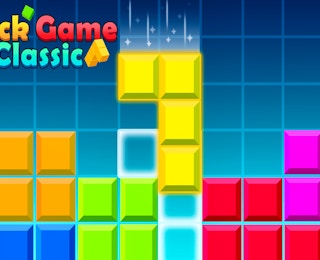
The listing emphasizes quick decisions and adaptive mechanics, so gameplay is likely to feel more reactive than a purely deterministic stacking puzzle. Players should expect to spend time watching for transformation cues, not just rotating pieces into pre-planned slots. The neon-grid presentation supports that sense of pressure by making the board feel active and unstable.
How to approach a first run
Start conservatively. The goal in early play is to learn how the board responds to ordinary placements and how morphing alters the shape of the stack. Avoid trying to force aggressive line clears until the transformation behavior feels predictable. A calm first session builds the pattern recognition needed for later levels.
When to slow down
If the stack becomes uneven or a column begins to tower over the rest, pause mentally before placing the next block. In a game built around escalating obstacles, one rushed move can create a cascade of restricted options. Slowing down for two or three placements is often better than attempting a risky recovery move.
Progression Guide
The game description advertises 100+ levels, which gives Shapeshifter Tetris a campaign-shaped progression model rather than a single isolated puzzle board. For players, that means improvement is measured across many short challenges, each adding pressure through morphing blocks and escalating obstacles.
Early progression
Early levels should be treated as a tutorial layer even if the game does not present formal instructions. Use them to learn the basic rhythm of block placement, line clearing, and transformation warning signs. The main objective is not to rush forward but to build a reliable mental model of how the board behaves.
Middle progression
As the campaign advances, the described escalating obstacles should demand more foresight. Players will likely need to balance immediate line clears with long-term board stability. This is the stage where habit formation matters: keeping the stack flat, avoiding deep traps, and preserving space for unexpected shape changes become more important than flashy placements.
Late progression
Late-level play is an endurance test for decision quality. The same core mechanics remain, but the cost of mistakes grows because the board offers fewer safe options. Players who progress well usually rely on conservative placement principles and quick reassessment instead of trying to memorize a fixed solution for every piece.
How to track personal progress
Because the available listing does not specify stars, scores, or unlock conditions, the safest progress markers are practical ones: completing more levels, surviving longer on difficult boards, making fewer panic placements, and recognizing transformation patterns earlier. These indicators align with the game stated focus on reflexes and foresight.
Recommended pacing
Short, focused sessions are likely more effective than marathon play. Adaptive puzzle games reward fresh attention, and fatigue can make morphing pieces feel more chaotic than they actually are. A player aiming to conquer the full 100+ level scope should prioritize consistency over speed.