











61762545.jpg)

60548019.jpg)
60802768.jpg)

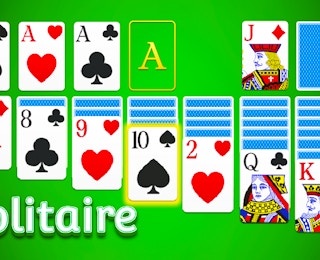
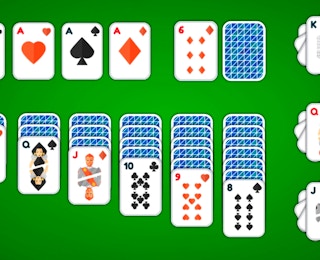
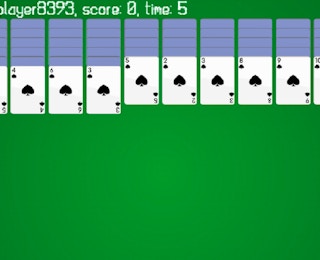

Vita Spider Strategy Guide and Winning Tips
While Vita Spider Solitaire is designed to be accessible, it still requires strategic thinking to win consistently. Mastering the game involves more than just moving cards; it requires planning ahead, managing your tableau efficiently, and knowing when to take risks. Here are advanced strategies to help you improve your win rate and enjoy the game more.
Build Suited Sequences First
The most important rule in Spider Solitaire is to prioritize building sequences of the same suit. While you can technically move mixed-suit sequences in some variations, standard rules require suited cards to be grouped together. By focusing on suits, you ensure that sequences can be cleared automatically, freeing up space and revealing hidden cards. Avoid breaking up completed or partially completed suited sequences.
Use Empty Tableau Piles Wisely
An empty tableau pile is a powerful tool in Spider Solitaire. You can place any card or sequence on an empty pile. However, do not use empty piles just to move cards out of the way. Instead, use them strategically to build a suited sequence that can be cleared. For example, if you have a 5 of Spades and an empty pile, move the 5 of Spades to the empty pile and build a Spade sequence on top of it. This will eventually clear the sequence and free up space elsewhere.
Deal from the Stock Pile Cautiously
Dealing from the stock pile adds one card to each tableau pile, which can be dangerous. If you deal randomly, you might cover up useful cards or create mixed-suit sequences that are difficult to manage. Always try to make as many moves as possible before dealing. Only deal when you are completely stuck or when you need to reveal a face-down card that is essential for your strategy. If you must deal, try to deal when all tableau piles have a face-up card to minimize the risk of covering a critical card.
Look for Hidden Cards
Every time you clear a suited sequence, a face-down card is revealed. Keep an eye on these newly revealed cards and plan your moves around them. Sometimes, a hidden card is the key to unlocking a stuck tableau. If you reveal an Ace of Spades, for instance, you can immediately start building a Spade sequence, which can lead to a cascade of clears.
Plan Ahead and Think Several Moves Forward
Spider Solitaire is a game of patience and foresight. Before making a move, ask yourself how it will affect the rest of the board. Will this move free up a face-down card? Will it help build a suited sequence? Will it block a future move? Taking a moment to plan your moves can prevent you from creating a dead end and significantly increase your chances of winning.
Avoid Common Beginner Mistakes
Beginners often make the mistake of dealing from the stock pile too early. This can lead to a cluttered tableau and fewer options for building sequences. Another common mistake is breaking up partially completed suited sequences to make room for other cards. Always try to keep suited cards together and use your moves to build toward complete sequences rather than just moving cards randomly.
Adjust Difficulty to Match Your Skill
Vita Spider offers different difficulty levels based on the number of suits. If you are a beginner, start with the one-suit or two-suit mode. These variations are much easier to manage because all cards belong to the same or fewer suits, making it easier to build complete sequences. As your skills improve, gradually transition to the four-suit mode to challenge yourself and experience the full strategic depth of the game.